Bitcoin As the Key to Renewable Energy
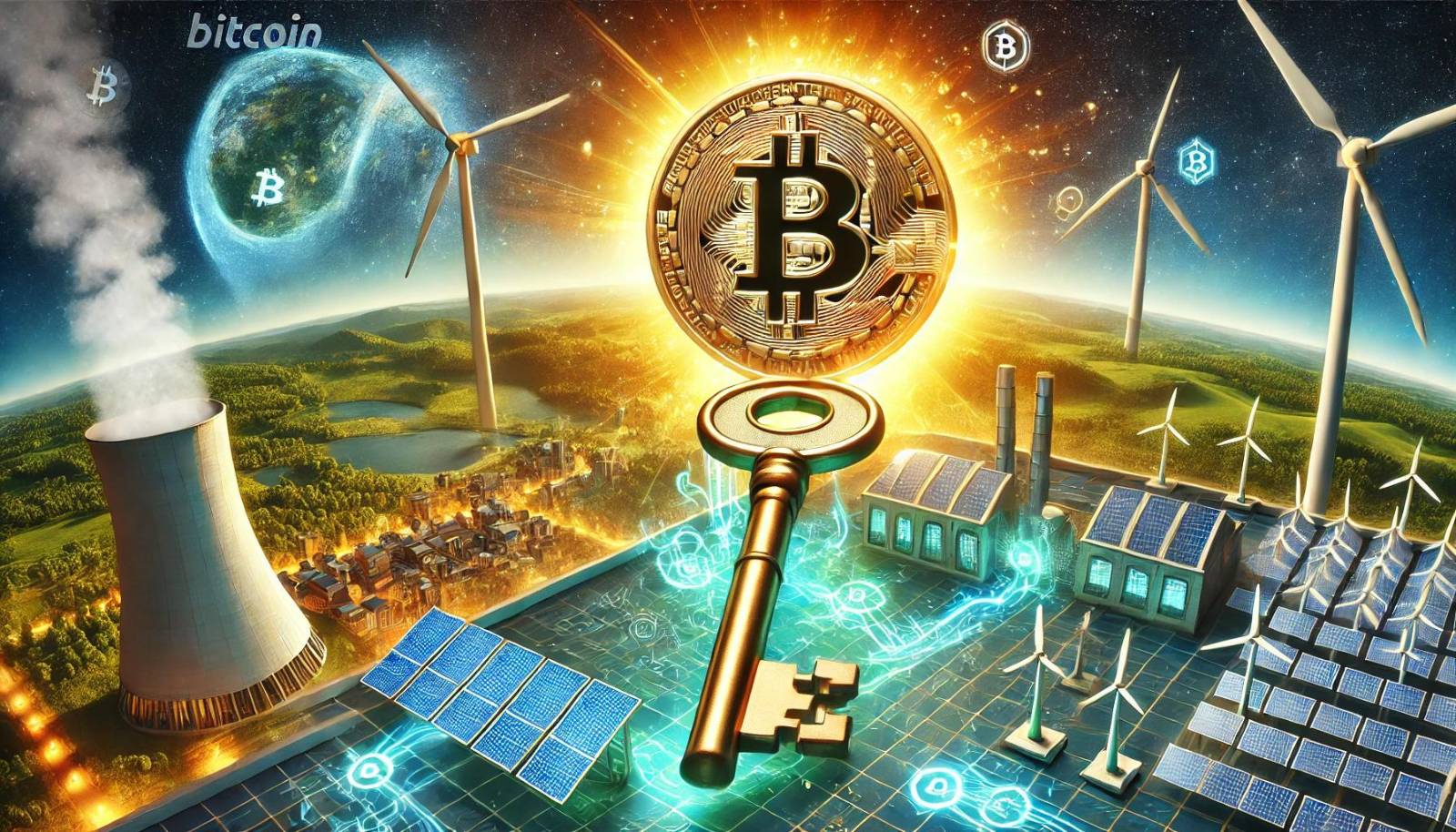
This post was written for Slovakia’s twentyone.world community
One of the main objections to Bitcoin is the enormous amount of electricity it consumes during its mining. Critics claim that Bitcoin mining equals or even surpasses the electricity consumption of entire countries. It is indeed true, as we can see in the following chart from November 2023, Bitcoin mining consumed more energy per year than, for example, the entire country of Norway, Pakistan or Ukraine.
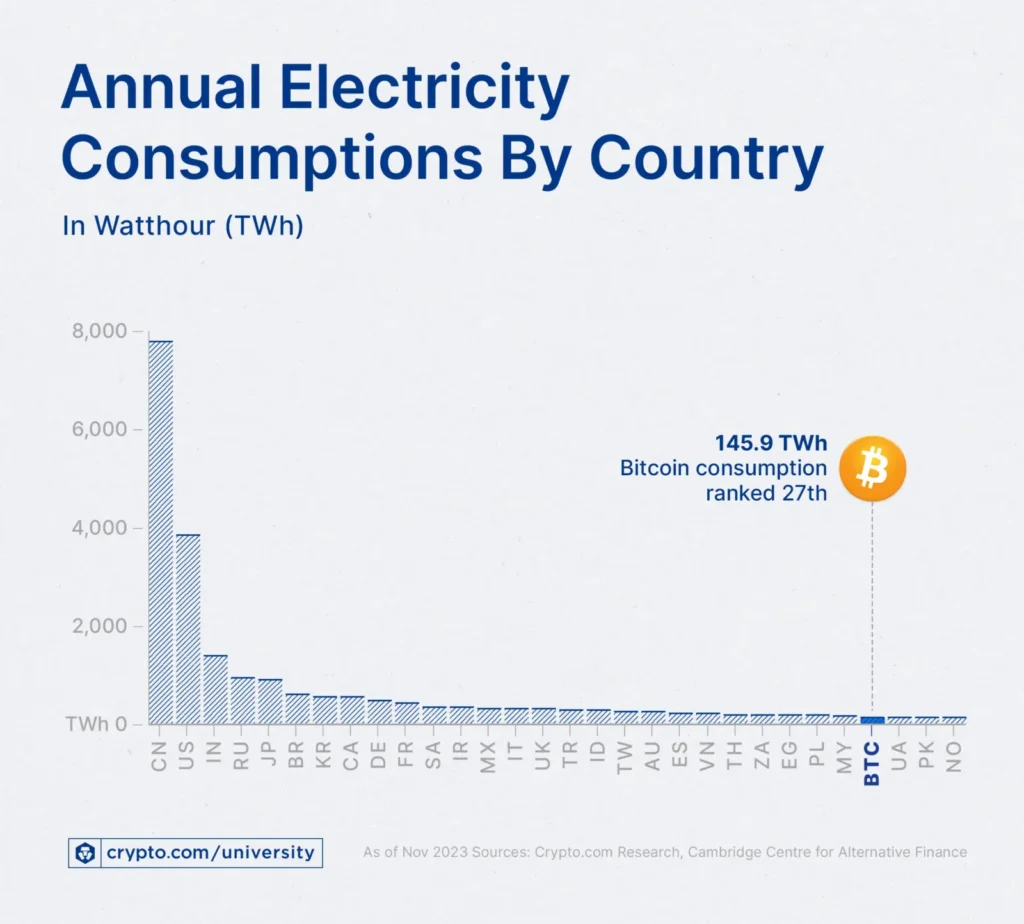
Interestingly, Bitcoin mining yearly consumes about 5.7 times more energy than the entire country of Slovakia.
It has happened to me many times that the person I was explaining Bitcoin to already understood that FIAT currencies are bad and that Bitcoin solves one of the biggest problems of humanity. But it was this energy consumption objection that discouraged him from further studying, buying and adopting Bitcoin. This article aims not only to refute this objection once and for all, but even to show that Bitcoin mining is the key to the transition to renewable energy sources.
Do We Have the Right to Judge Energy Use?
Before we get into the issue of energy itself, let’s think about whether we have the right to tell another person how to consume or not consume electricity. One of the biggest consumers of electricity in households are washing machines. Let’s say you wash your clothes once a week and your neighbor does it every other day. Can you imagine asking your neighbor to wash less often in order to save our beautiful green planet? I’m sure some EU officials can imagine this 😊 Why not limit the consumption of electricity for washing dirty clothes completely and just wash it in the stream? The annual global energy consumption of washing machines is certainly greater than the total consumption of many countries. If we asked everyone to wash their clothes in a stream, we would greatly reduce electricity consumption worldwide and thus achieve our green goals.
You can certainly see the absurdity of this argument. However, someone might object, a washing machine saves us a lot of time and thus increases the efficiency and well-being of the entire society, Bitcoin is just a kind of digital gold, without any use. This is for another debate, but the author of this article is of the opinion that global, decentralized, uncensorable and deflationary money will bring so much benefit to humanity that we could use ten times more energy to mine it and we would still be in a big plus in terms of benefits to society.
At the same time, there is a moral problem of evaluating who and what can use the electricity that they pay for themselves. We certainly will not tell our neighbor that he should not use these or those appliances because we consider them useless and he is unnecessarily burdening our beautiful, blue-green planet. As you can see, criticism of other people’s electricity consumption is very problematic and it is easy for critics themselves to get cornered. On what and how much energy each individual decides to use is decided by the free market through the price mechanism.
There are no rich countries with low energy consumption
Another problem with criticizing electricity consumption is that there is a direct relationship between how much energy a society consumes and the level of its standard of living.
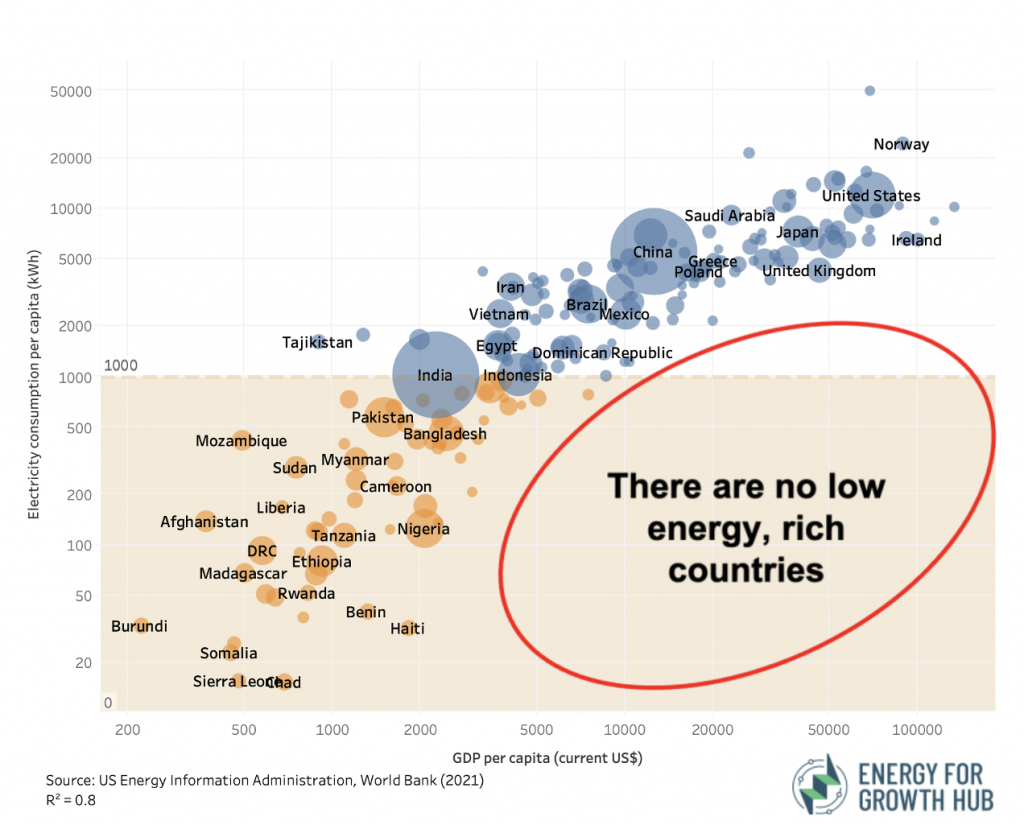
On the vertical axis is electricity consumption per person, on the horizontal axis is GDP per person. At a glance, we can see that the countries with the highest standard of living in the world have the highest electricity consumption per person. This means that calling for a reduction in electricity consumption is tantamount to calling for a reduction in living standards. We certainly don’t want that. Like many truths in our world, this one is counterintuitive. In order to achieve prosperity, efficiency, and even our green goals, we as humanity must increase our electricity consumption. After all, consider electric cars. Stopping the burning of fossil fuels and thus achieving, for example, significantly improved air quality in cities is certainly a good idea, but the adoption of electric transport will dramatically increase electricity consumption. However, that is not a problem. The key is that this energy comes from renewable sources.
As an interesting side note, I present the concept of the Kardashev scale, which considers space civilizations in terms of their energy consumption. The higher the energy consumption, the more sophisticated the civilization. The more energy a society uses, the more activities it can automate, the more prosperous it becomes, the more time and space individuals have for their personal development and a more balanced, peaceful life. There is a suspicious coincidence between the countries with the highest energy consumption per capita and the happiest ones 🙂
With these two arguments, we could repel any critics and enjoy the pleasant feeling of a job well done. However, the more experience we have as humanity with Bitcoin, the more we learn about its various useful second order consequences . One of them is its ability to flexibly load or unload the electrical grid and thus act as an important stabilizing element. Let’s take a closer look.
Challenges of renewables
Renewable energy sources have many advantages, but their integration into the existing energy grid brings great challenges. To understand the problems of renewable energy and how Bitcoin helps to solve them, we need to understand the basic functioning of the energy grid.
Electricity cannot be stored effectively for a long time. At least not in the quantities that modern society needs for its daily functioning. This means that the electricity grid must constantly maintain a balance between supply and demand. The energy that is being produced right now is also being consumed right now. Yes, the energy that your refrigerator is consuming right now is right now being produced in one of the nearby power plants and is being transported to your home along the path of least resistance. However, consumption is constantly changing throughout the day and throughout the year. It tends to be lowest between 11:00 PM and 5:00 AM, then it starts to rise around 6:00 AM, until it reaches its peak between 10:00 AM and 11:00 AM, and then gradually decreases until nightfall. Also, for example, in winter, the total electricity consumption is higher due to the fact that the days are shorter and we need more artificial light or electric heating. This variable load on the energy network poses a problem. If the demand for energy or its supply in the network is too high, the entire system is destabilized and there is a risk of power outages. In the best case, the food in our refrigerator will spoil, in the worst case, people will lose their lives. In the event of a more serious disruption to the supply of electricity, the basic infrastructure collapses, since the functioning of our society depends on electricity.
How do electricity producers solve this problem of changing network load? By dividing the load into two parts: the base load, which in Slovakia is about 2,800 MW, and the peak load, which is about 4,000 MW. The idea is that power plants that can produce electricity stably and continuously (nuclear, thermal) cover the base load, i.e. the demand that is constantly in the network, and power plants whose output we can change more easily (gas turbines, hydro) cover the peak load. If we have noticed an increase in demand, we can increase the output of existing power plants and thus match the supply. This solution to the changing demand for electricity is on the supply side. The network remains stable.
Now that we understand how the electricity network works in a very simplified way, we can more easily understand the challenges that renewable energy sources face. Renewable sources cannot be used well for either base load or peak load, because their output is unpredictable:
- With solar power plants, we do not know exactly when and with what intensity the sun will shine, and therefore when and how much energy they will deliver to the network.
- Solar panels are easy to install in homes, but the problem is that at times when the household needs energy – in the morning, when people are getting ready for work or in the evening, when they come home from work, the sun does not shine, or rather does not shine with sufficient intensity. And it is precisely at the time when everyone is at school or at work that the sun shines the brightest and solar panels produce the most energy. Yes, this problem is currently solved by battery systems, but these make the entire installation more expensive and make it unsustainable, since batteries have a limited lifespan, they need to be replaced over time, and their production is very demanding on the environment.
- With wind farms, we cannot predict exactly how much power they will provide us at any given time. Will the wind blow or not? We cannot rely on them, and unlike traditional energy sources, we cannot control how much energy they will provide us at any given time.
The biggest challenge for renewable energy sources is their fluctuating, unpredictable and intermittent output. One example of the challenges with the transition to renewable electricity sources is Germany, which decided to gradually shut down its nuclear power plants as part of this transition (the last one was shut down in 2023), which, thank God, did not lead to the predicted blackouts in the electricity grid, yet paradoxically increased Germany’s dependence on thermal (coal) power plants. In an effort to switch to renewable electricity sources as quickly as possible, but without a thorough analysis and a well-thought-out approach, Germany achieved the exact opposite, becoming more dependent on the dirtiest energy source available to us - coal.
What could be the solution to these problems? One is huge electricity storage facilities such as the Tesla Megapack, which can absorb and store energy when the sun is shining or the wind is blowing, and then deliver it to the grid later. While this solution is logical and already in practice, the production of such a huge number of batteries has an enormous impact on the environment, which is in direct contradiction to our environmental goals.
However, there is another, simpler solution that does not require energy storage.
Bitcoin Mining as a battery
What would be ideal? If all our energy came from renewable sources. But how do we do that? If we connect huge capacities of renewable energy to our grid, we risk outages, either by too high a supply at a time of reduced demand (e.g. relying on solar in the middle of summer at noon) or too low a supply at a time of increased demand (e.g. relying on wind turbines and the wind is not blowing). We can solve this problem of dynamically changing and unpredictable supply on the demand side: by mining Bitcoin. Bitcoin mining represents an energy demand that can drain huge amounts of electricity at a time when we have too much of it and at the same time can react very flexibly and dynamically if the energy supply is too low and more energy needs to be supplied into the grid. Bitcoin mining thus acts as an important stabilizing element of the energy grid. In essence, we can say that Bitcoin mining serves as a battery for us. When we have too much energy, we charge the battery, i.e. we mine Bitcoin, and when we have a shortage of energy, we turn off the machines and release energy into the grid immediately. Not to mention that the mined Bitcoin not only covers our investment costs and energy consumption, but also allows us to build capital in the best money the world has ever known.
The above is not purely theoretical and we can already see these synergies between Bitcoin mining, electricity production and the stability of the energy grid in practice. For example, in the US state of Texas in December 2022 during the winter storm Elliot, Bitcoin miners reduced their demands on the energy grid by 91.5% at the time of the greatest crisis, thus providing 1.4 GW of energy to the grid and most likely were a key factor in stabilizing the energy grid during this crisis period. Texas can be considered a pioneer and innovator in synergies between the energy industry and Bitcoin mining. A recent report from the Digital Asset Research Institute reports that Bitcoin mining has saved Texas $18 billion through its flexible power consumption. How? By stabilizing the power grid in the aforementioned way, it has reduced the need to build new gas-fired power plants, which would cost Texas $18 billion. Texas as a whole has increased its power generation capacity, hired miners who can quickly and easily release energy in times of crisis, and completely eliminated the need for expensive and environmentally unfriendly gas turbines totaling $18 billion.
As for the synergies between Bitcoin mining and power generation, the above is just the tip of the iceberg. The working title of this article was: “Bitcoin + Energy = Great Love, Until the Bed Cracks Underneath Them” (a kids rhyme in Slovak 😊) There are so many examples of how Bitcoin helps the power grid and the environment that this already long article would be a book. However, I will not forgo one more beautiful example of how Bitcoin benefits the environment with its insatiable hunger for cheap energy.
Carbon Negative Footprint of Bitcoin Mining
Yes, you read that right. Bitcoin is already mined today in a way that reduces the volume of greenhouse gases released into the atmosphere. How is this possible? When extracting oil or natural gas, so-called flares are created. These are gas outlets that are inaccessible for mining and must be vented from the ground into the atmosphere. These gases (e.g. methane) have up to 82 times more negative impact on the atmosphere than CO2, and therefore oil and gas miners are obliged to burn these gases when releasing them. Yes, gas is still being burned and CO2 is being released into the atmosphere, but the situation would be much worse if we were releasing gases with a much higher greenhouse effect. However, installing such a combustion device is expensive and the vast majority of these gases that hinder mining are released directly into the atmosphere.
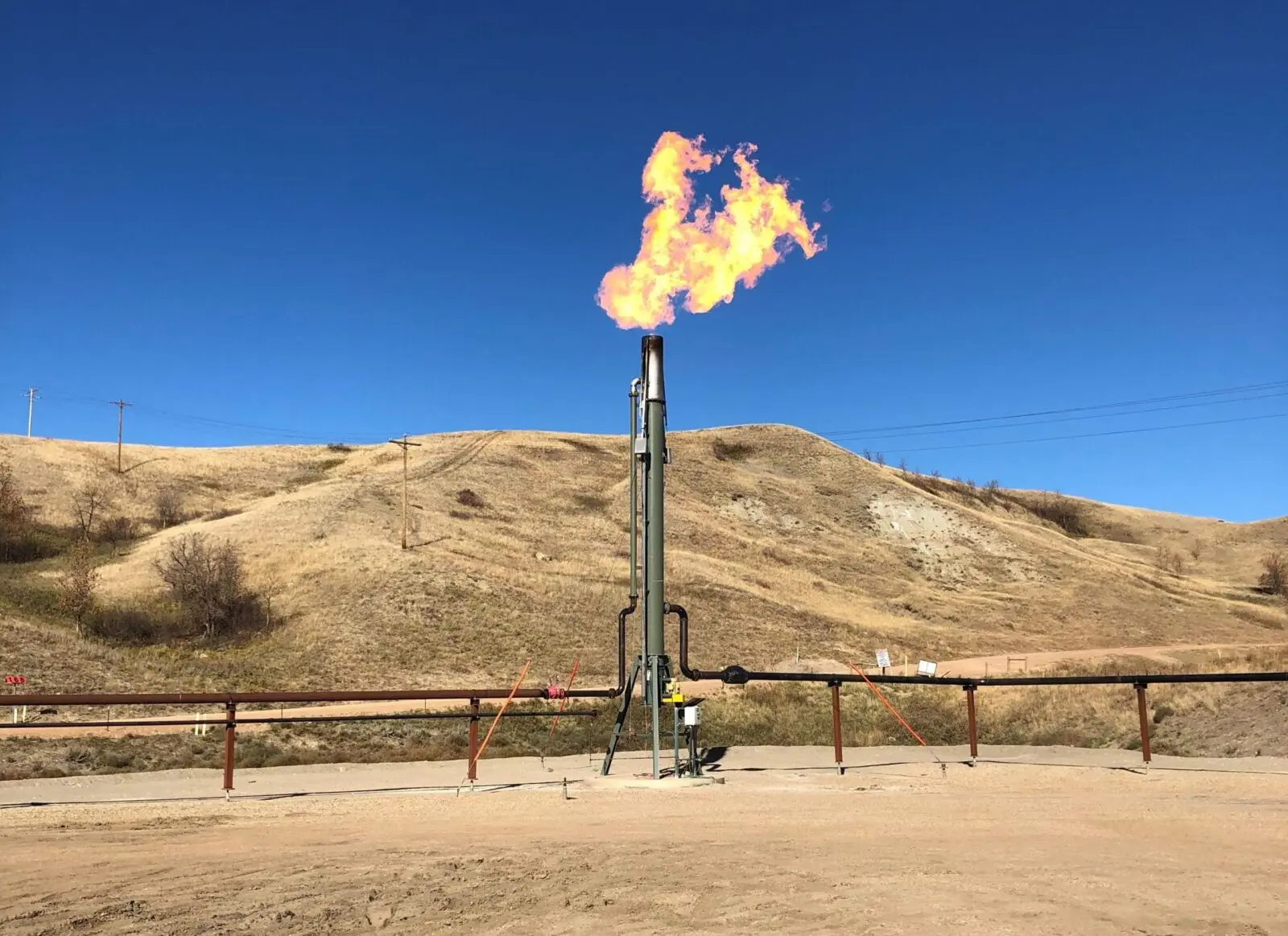
By being able to store Bitcoin mining machines in a container that is highly mobile, we can come up to such a flare, connect this gas outlet to an electricity generator, connect these machines to the Bitcoin network using satellite internet and produce value where it was previously wasted. This way we can use previously wasted energy and use it to secure the Bitcoin network and use the mined Bitcoin to finance, for example, green goals.
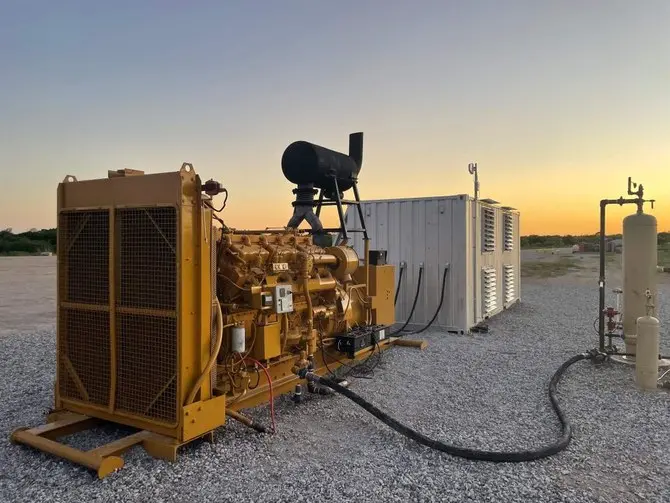
Another huge source of methane is landfills. Again, we have a huge amount of potential energy that is being released into the atmosphere as a highly efficient greenhouse gas. The solution? Capture this gas and use it to mine Bitcoin.
The fact that Bitcoin mining both solves a problem we face and also brings an economically positive result from the Bitcoin mined is a combination that repeatedly brings surprising and very positive results. In my opinion, these synergies are so great, and the inclusion of Bitcoin mining in the portfolio of energy companies is so beneficial, that over time, either energy companies will become mining companies or mining companies will become energy companies. It is truly beautiful to watch and study the positive impact Bitcoin has on our world. We see that the anchoring of Bitcoin in our physical reality through energy-intensive mining brings beautiful side effects.
If you liked the article, please share it on your social networks. You can also send me some sats to the lightning address matej@blink.sv and support my further work 🙂